Journeyman Plumber Pro: Plumbing Exam Prep
Study drainage, venting, water supply, backflow, water heaters, fuel gas, and more on the 2024 IPC or UPC with practice tests, explanations, flashcards, and timed exams.

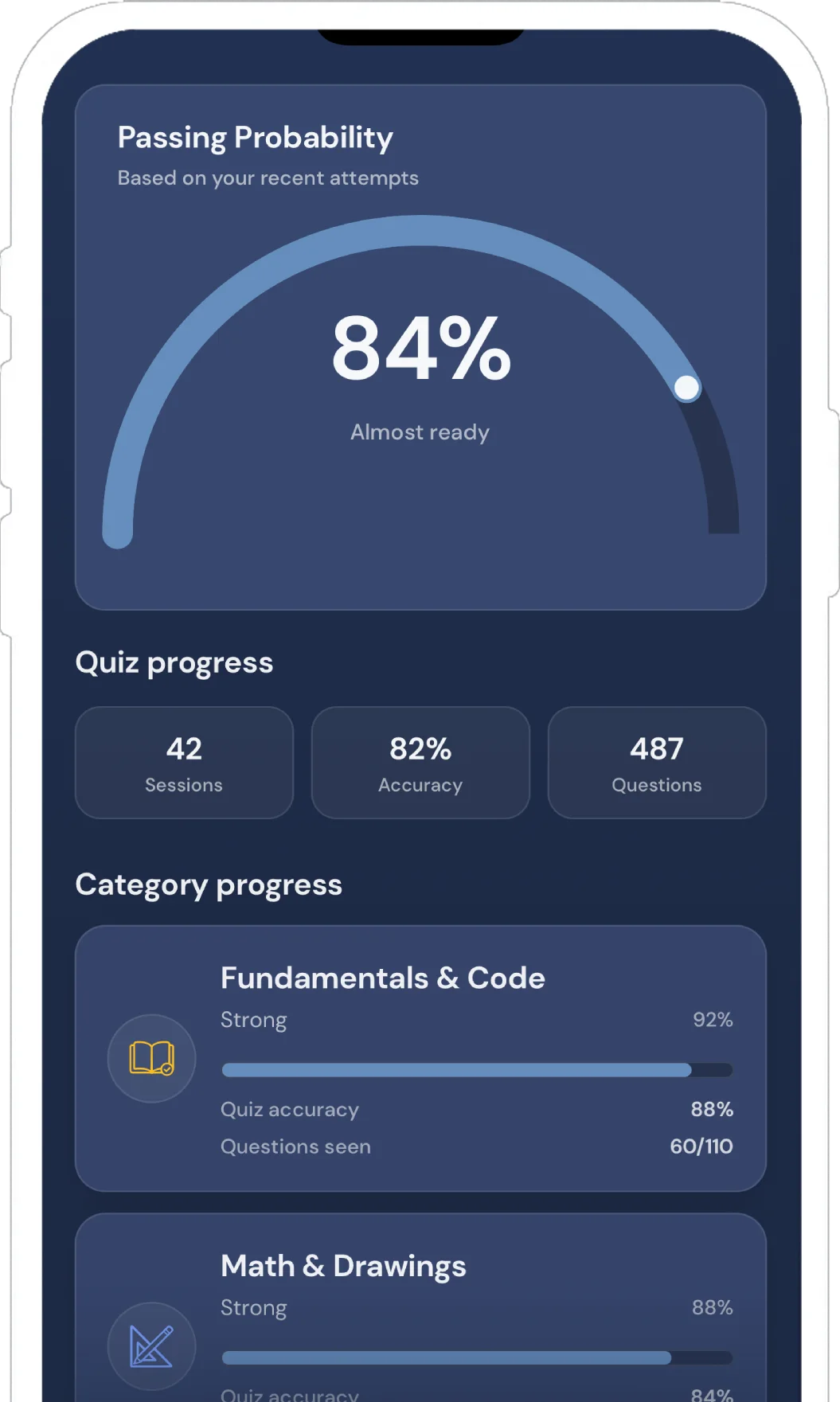
Track Progress & Mastery — See what you’ve mastered and what still needs work across all 12 exam categories, from sanitary drainage and venting to backflow prevention, water heaters, and fuel gas.
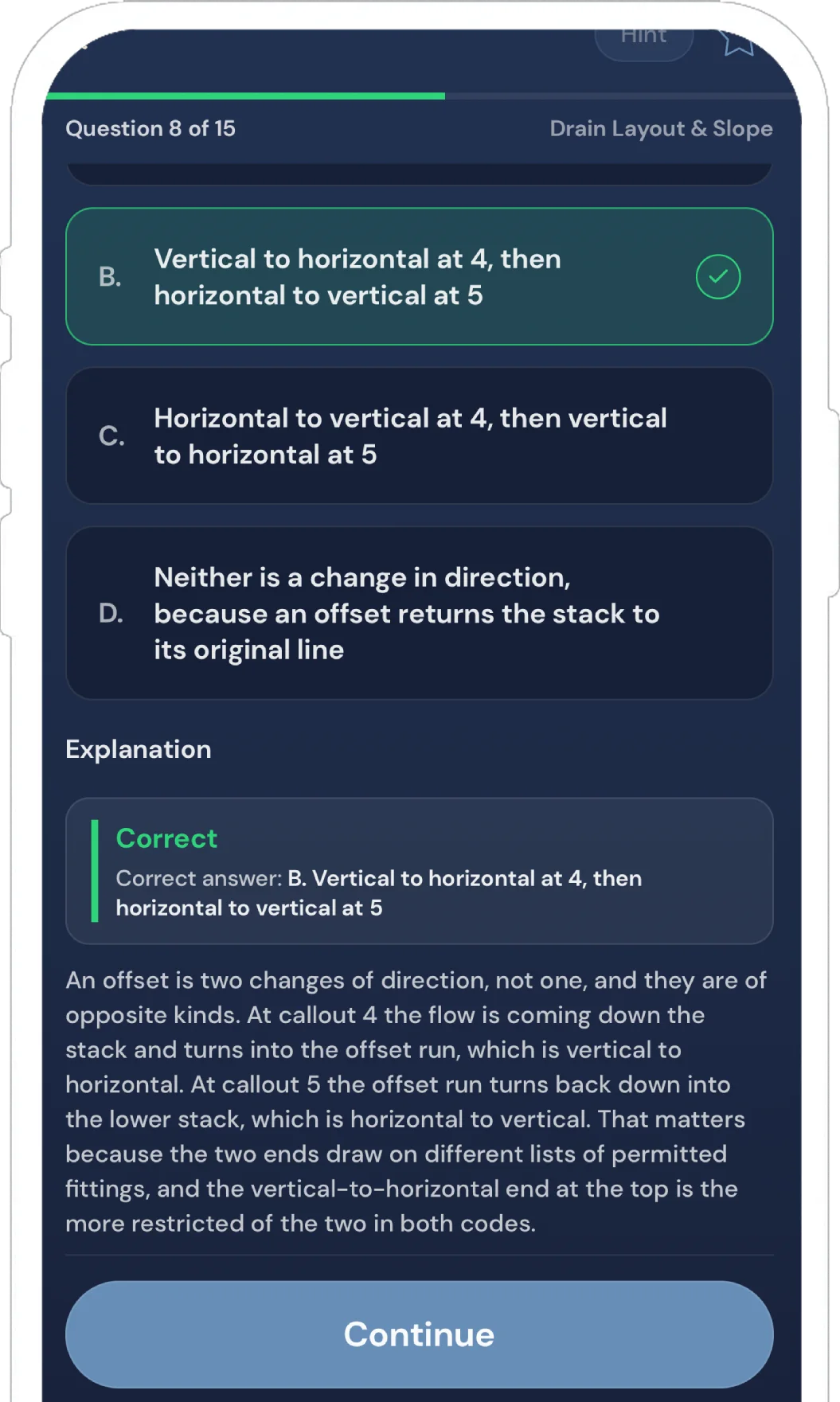
Clear Explanations — Every question includes an explanation so you understand the code rule behind the answer, not just which option to pick.
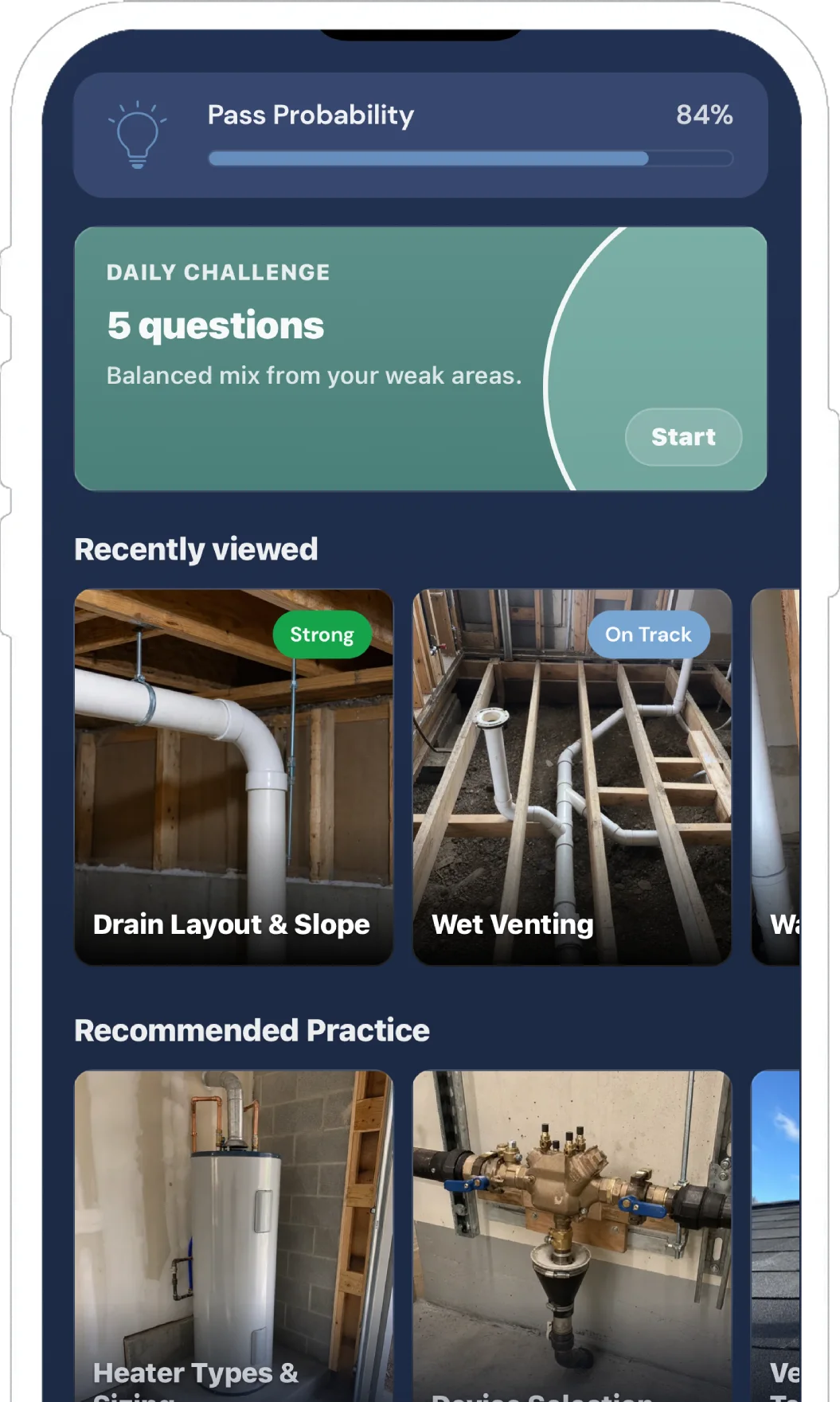
Weak-Area Practice — Automatically review the topics you miss most, from fixture units and pipe sizing to trap arms, air gaps, gas piping, and jobsite safety.
Timed Plumbing Exams — Practice under test-like conditions with a 100-question full exam simulation, a harder version, and a 50-question half exam, with a built-in calculator for sizing math.
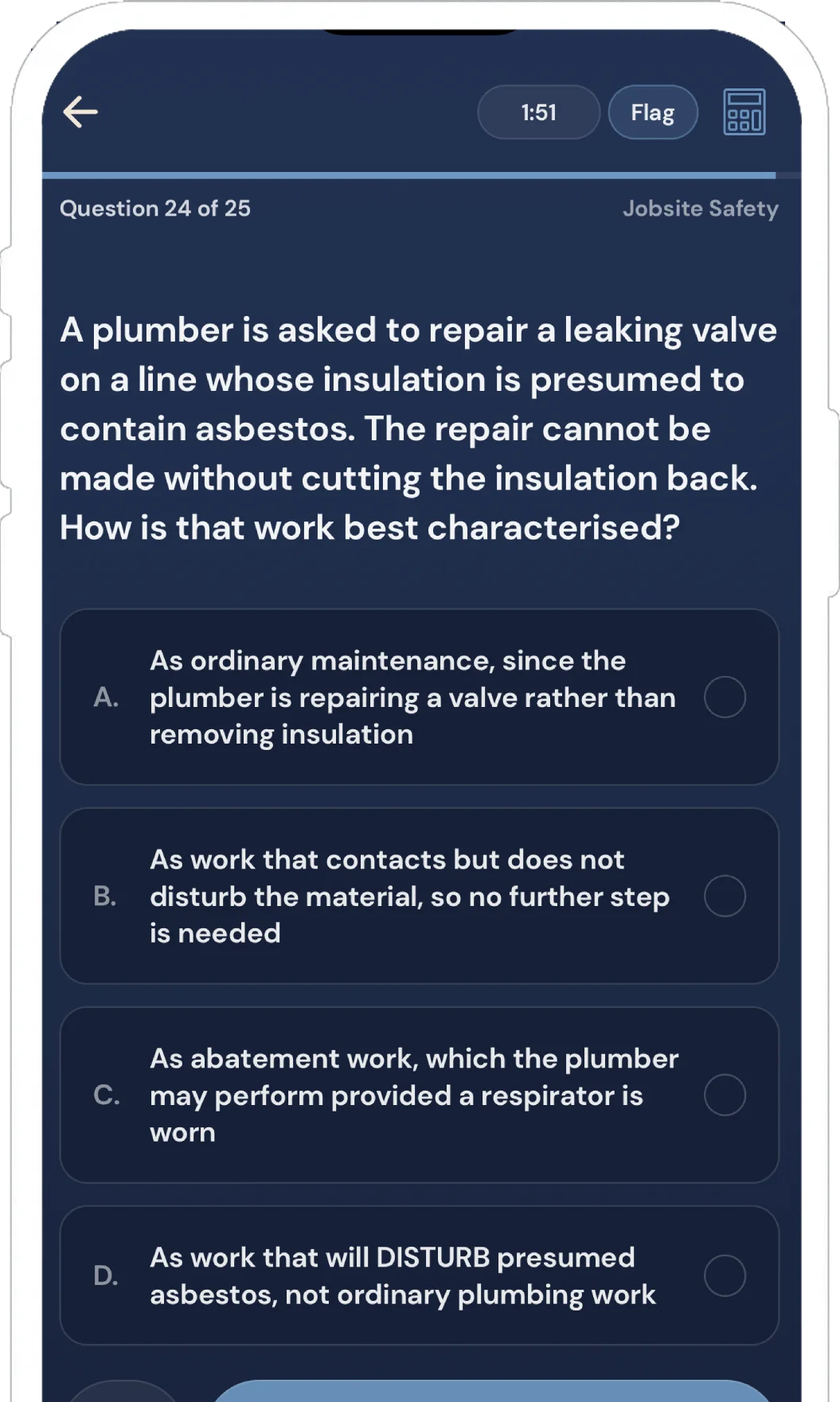
Flashcards for Key Numbers — Quickly review the figures the exam tests: slopes, trap sizes, vent distances, fixture units, test pressures, air gaps, and gas clearances.
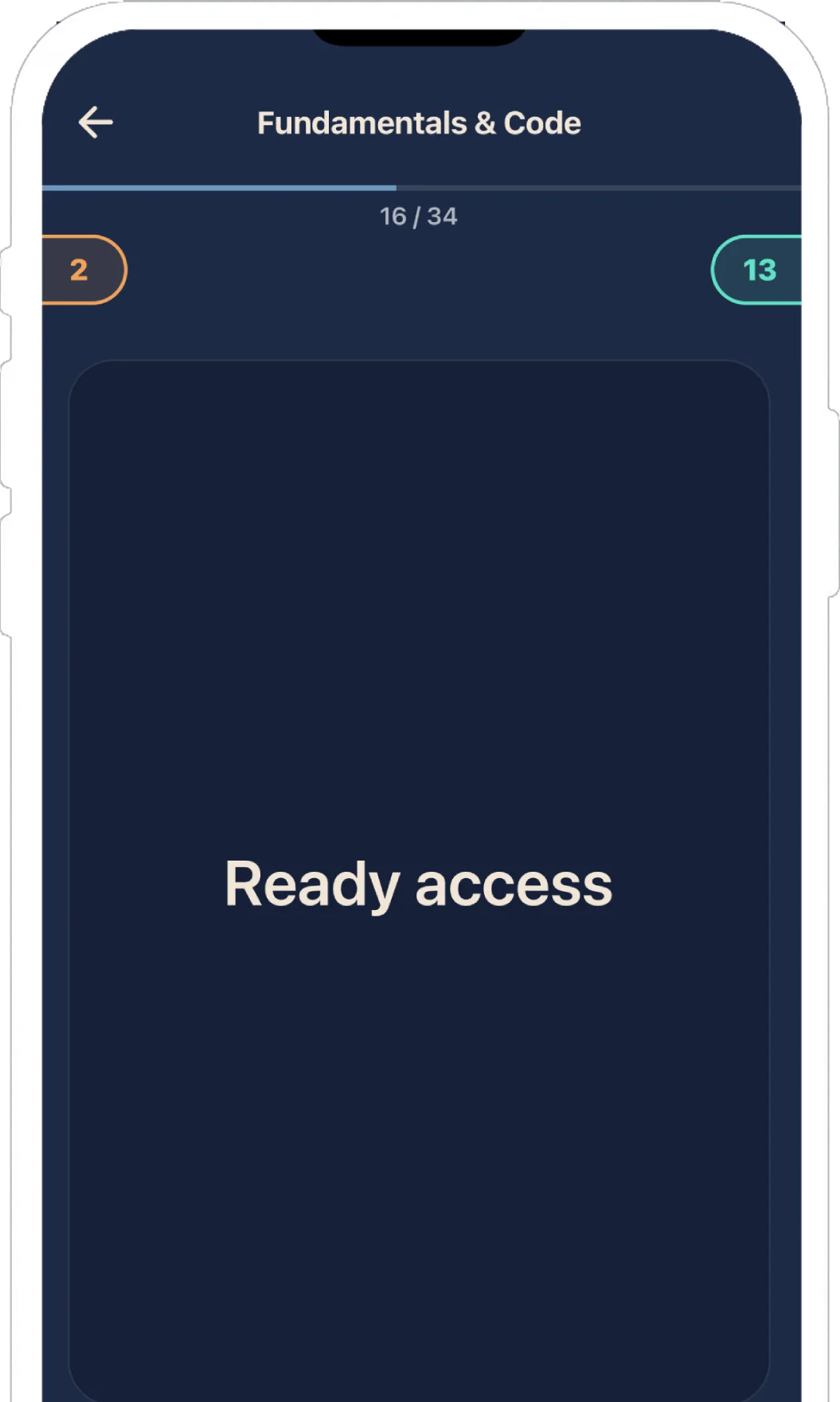
Study anywhere. iPhone + iPad friendly.
The journeyman plumber exam is the licensing test most states require before you can work as a journeyman plumber. It usually covers the plumbing code your state has adopted, including drainage, venting, water supply, backflow prevention, water heaters, fuel gas, fixtures, and jobsite safety, along with plumbing math and drawings.
Both. You choose the International Plumbing Code (IPC) or the Uniform Plumbing Code (UPC) when you start, and every question, flashcard, and glossary term follows the 2024 edition of that code. You can switch codes at any time in settings.
More than 1,800 practice questions for each code, organized into 12 exam categories, plus flashcards, a glossary, and code tables and diagrams where the questions need them.
Yes. Every question includes an explanation so you can understand the rule, learn from mistakes, and avoid memorizing answers without context.
Yes. Timed exams help you practice pacing, build confidence, and prepare for real testing conditions before exam day. They are modeled on typical state exams; your exam may differ in length, time limit, and format.
Journeyman Plumber Pro is built on the 2024 model codes. Many states adopt a different edition or add their own amendments, so check your licensing board’s candidate bulletin for the code edition and references used on your exam.